
If someone asked me to pick the most underrated corner of Greece, I wouldn’t hesitate for a second. The Ionian Islands would be my answer every single time. Lush, green, historically rich, and washed by some of the most impossibly blue waters you’ve ever seen — this island group on the western edge of Greece is something else entirely.
While most travelers rush to Santorini and Mykonos, those who discover the Greek islands in the Ionian Sea tend to become quietly obsessed. And once you’ve stood at the edge of a turquoise cove with a glass of local wine in hand, watching the sun sink over the Ionian Sea, you’ll understand exactly why.
In this guide, I’ll walk you through everything you need to know: which islands to visit, when to go, how to get around, what to eat, and whether you should sail the Ionian Sea. Think of me as your Greek friend who’s planned this trip a hundred times — and learned from every mistake along the way.
Contents
- 1 What Makes the Ionian Islands Different from the Rest of Greece?
- 2 The 7 Main Islands of the Ionian Sea: A Quick Overview
- 3 When Is the Best Time to Visit the Ionian Islands?
- 4 How to Get to the Ionian Islands
- 5 How to Get Around: Island Hopping in the Ionian Sea
- 6 What to Eat and Drink in the Ionian Islands
- 7 Top Experiences You Shouldn’t Miss
- 8 Practical Tips Before You Go
- 9 Conclusion
- 10 Frequently Asked Questions
What Makes the Ionian Islands Different from the Rest of Greece?
Most people picture Greece as whitewashed cube houses and arid, windswept islands. The Ionian Islands shatter that image completely.
Located on the western side of the country, the Ionian Islands have been strongly shaped by Venetian, French, and British influences — a history that sets them apart from the rest of Greece in terms of architecture, cuisine, and culture. Greeka You’ll notice elegant Venetian-style mansions, colonnaded town squares, and even a local ginger beer tradition in Corfu that has no parallel anywhere else in the country.
The lush green contours of these islands — a result of heavy winter rains — come as a pleasant shock to visitors more used to the stark outlines of the Aegean. Rough Guides Dense olive groves, pine forests and wildflower-covered hillsides give the Ionian a almost tropical quality that the Cyclades simply can’t match.
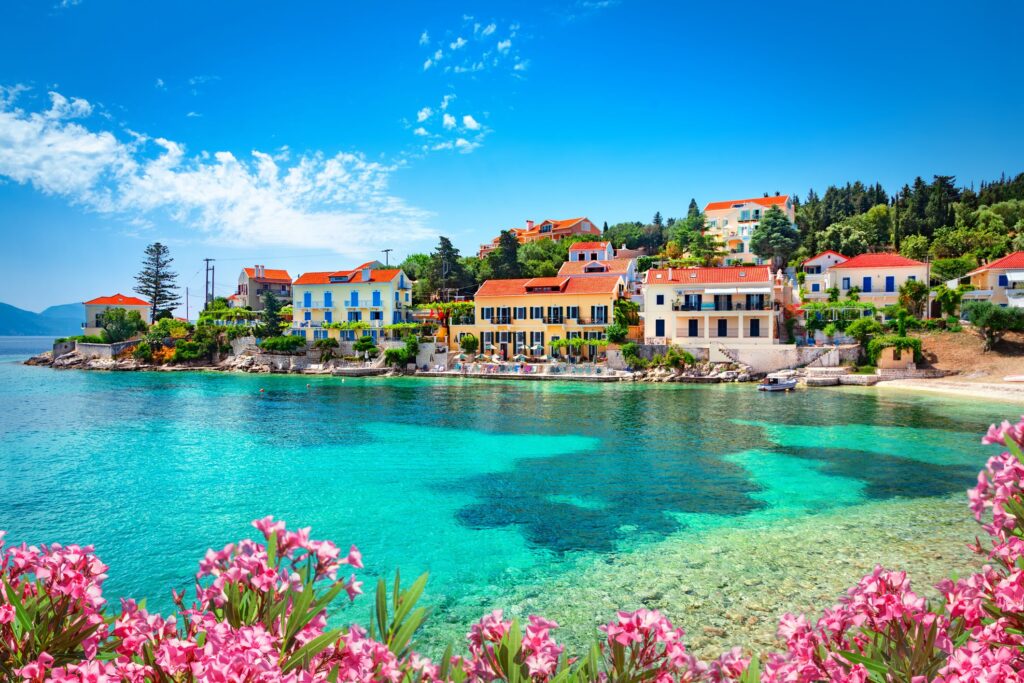
And then, of course, there’s the water. The “Ionian blue” is legendary among island hoppers — a milky turquoise that fades into deep azure, framing beaches that rival anything in the Caribbean.
The 7 Main Islands of the Ionian Sea: A Quick Overview
The major islands include Corfu, Kefalonia, Ithaca, Lefkada, Zakynthos, Paxos, and Kythira — each offering something unique, from vibrant nightlife to quiet history-rich retreats, all surrounded by stunning, crystal-clear turquoise water and lush greenery. Unforgettable Greece
Here’s a quick breakdown to help you decide which island is calling your name:
Corfu (Kerkyra) — The most cosmopolitan of the group. Corfu’s Old Town is a UNESCO World Heritage Site, layered with Venetian fortresses, French arcades and British neoclassical architecture. Great for first-time visitors and culture lovers.
Kefalonia — The largest island in the Ionian Sea and arguably the most dramatic. Think towering mountains, the famous Melissani Cave lake, and the jaw-dropping Myrtos Beach. This is the island for travelers who want it all.
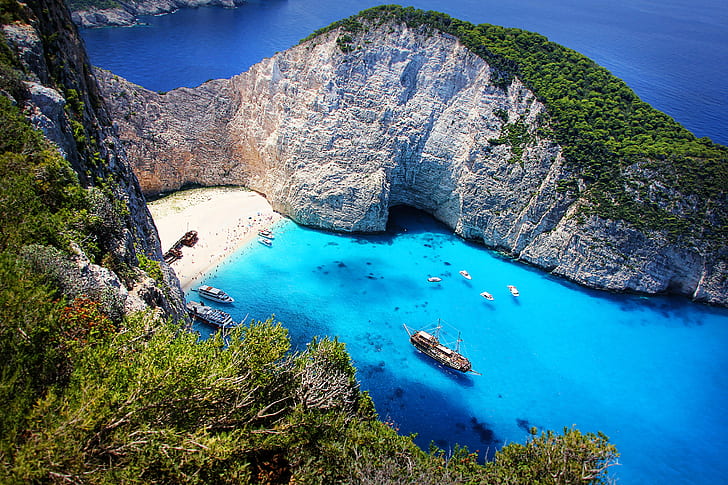
Zakynthos (Zante) — Home to the world-famous Navagio (Shipwreck) Beach, one of the most photographed spots in all of Greece. From the cliffs above the beach, it is absolutely breathtaking — a crescent of chalk-white sand sandwiched between towering limestone cliffs, edged by electric blue water. Johnny Africa
Lefkada — Connected to the mainland by a floating bridge, making it the easiest island to reach by car. Its west-coast beaches — particularly Porto Katsiki and Egremni — are consistently ranked among the finest in Europe.
Ithaca (Ithaki) — The legendary home of Homer’s Odysseus, with rugged coastlines, ancient ruins, and quaint villages imbued with a timeless charm. admin Perfect for slow travel and hikers.
Paxos & Antipaxos — The smallest and perhaps most charming of the group. Olive-tree-draped hillsides, crystal coves and no mass tourism. A day trip to Antipaxos reveals some of the most surreal turquoise water you’ll ever encounter.
Kythira — Geographically separate from the others, sitting near the southern tip of the Peloponnese. Remote, traditional, and almost entirely untouched by package tourism.
When Is the Best Time to Visit the Ionian Islands?
Timing your trip right makes an enormous difference. Here’s the honest local perspective:
May – June is, in my opinion, the sweet spot. The weather is warm (25–28°C), the sea is beginning to warm up, wildflowers are still in bloom, and you won’t be fighting for a sunbed or a table at your favorite taverna. Prices are also noticeably lower than peak season.
July – August is peak summer. The islands are fully alive with music, events and open restaurants, but crowds and prices are at their highest. Temperatures commonly hit 40°C in June and August, so pack high-factor sunscreen and plan beach time for the mornings. Island Hopping
September – October is the hidden gem of Ionian travel. The sea is at its warmest, crowds thin out, and the light turns golden and cinematic. For those interested in Greek traditions, Greek Easter is also one of the best times to visit — Corfu in particular puts on an extraordinary celebration. Dave’s Travel Pages
Winter is largely off-season, with most tourist businesses closed — but if you want to experience authentic village life and dramatic green landscapes after the autumn rains, a winter visit to Corfu or Kefalonia can be a surprisingly moving experience.
How to Get to the Ionian Islands
Getting to the islands is easier than many people expect.
By air: The fastest option. Corfu (CFU), Kefalonia (EFL), Zakynthos (ZTH) and Preveza/Lefkada (PVK) all have airports with direct international flights, especially from the UK, Germany and other European hubs.
By ferry from mainland Greece: Ferries depart from Patras, Igoumenitsa, Astakos and Killini depending on which island you’re heading to. A scenic and affordable way to arrive.
By car to Lefkada: The only island in the Ionian Sea you can drive to directly from the mainland, via a short causeway bridge. No ferry needed.
One important tip: You cannot take a rental car between islands on the ferries here. Plan to rent a separate car on each island you visit.
How to Get Around: Island Hopping in the Ionian Sea
One of the most rewarding ways to explore is to sail the Ionian Sea. The sheltered waters, numerous coves and sea caves make this one of the best sailing destinations in the Mediterranean — averaging around 5 nautical miles per hour in a 40-footer, Corfu to Lefkada is roughly half a day’s sail. Island Hopping Charter companies operate from Corfu, Lefkada and Kefalonia.
For those without a boat, ferries connect the main islands, though connections often route through the mainland ports. A popular island-hopping route that works well without too many detours is Lefkada → Kefalonia → Ithaca, with each leg being short and manageable.
A rental car is strongly recommended on each island. The islands are big — it can take up to two hours to get from one end of Corfu, Kefalonia, Zakynthos or Lefkada to the other Johnny Africa — and a scooter simply won’t cut it for most itineraries.
What to Eat and Drink in the Ionian Islands
Ionian cuisine is distinct from the rest of Greece, shaped by centuries of Venetian occupation and a rich local fishing tradition.
Don’t leave without trying Bourdeto (a spicy fish stew native to Corfu), Sofrito (slow-cooked veal with garlic and white wine sauce), and fresh grilled octopus in any harbor-side taverna. On Kefalonia, look for Kreatopita — a meat pie made with local lamb — and the island’s excellent Robola white wine.
In Corfu, the local kumquat liqueur is a quirky and genuinely delicious souvenir. And yes, the British left behind a ginger beer tradition that locals have made entirely their own.
Wherever you eat, order the freshest fish on the menu — you will not be disappointed.
Top Experiences You Shouldn’t Miss
Here are the experiences that define a trip to one of the Ionian Islands:
- Navagio Beach (Zakynthos) — Take a boat from Porto Vromi to see Shipwreck Beach from the sea and from the clifftop viewpoint above. Both perspectives are unmissable.
- Melissani Cave (Kefalonia) — A collapsed sea cave with an underground lake. When the midday sun hits the water, the light is otherworldly.
- Porto Katsiki & Egremni (Lefkada) — Two of the most beautiful beaches in the entire Mediterranean. Access by boat or steep path.
- Corfu Old Town — Walk the Venetian Liston promenade, explore the Old and New Fortresses, and get lost in the narrow kantounia (alleyways).
- Day trip to Paxos and Antipaxos — The cobalt-blue water of Antipaxos’s Voutoumi Beach will reset your definition of beautiful.
- Sail the Ionian Sea — Even a one-day sailing charter gives you access to sea caves, hidden coves and a perspective on the islands that no road can offer.
Practical Tips Before You Go
A few things that will make your trip smoother:
- Cash is still king in many smaller tavernas and local shops. ATMs are available in the main towns but not always in villages.
- Book accommodation early if traveling in July and August, especially on Paxos, Ithaca and Kefalonia.
- Rent a car on arrival rather than in advance through major platforms — local agencies are often significantly cheaper.
- Learn two or three words of Greek. A kalimera (good morning) and efharisto (thank you) go a very long way in local villages.
- Travel insurance that covers water activities is worth having, especially if you plan to hire boats or go sea kayaking.
Conclusion
The Ionian Islands are one of those rare destinations that exceed expectations every single time. Whether you’re spending a week on one island, island-hopping across the archipelago, or dreaming of sailing the Ionian Sea with the wind in your hair, this corner of Greece will stay with you long after you’ve returned home.
If you’re still deciding where to start, my honest advice is this: pick Kefalonia or Lefkada for your first trip, and add a day trip to one of the smaller islands of the Ionian Sea nearby. You’ll leave already planning your return.
Save this guide, share it with someone you’d love to explore Greece with, and when you’re ready to dive deeper, browse our destination guides for each individual island.
Greece is waiting — and the Ionian Sea has never looked more beautiful.
Frequently Asked Questions
The Ionian Islands are a group of seven main islands off the western coast of Greece, including Corfu, Kefalonia, Zakynthos, Lefkada, Ithaca, Paxos and Kythira. They are known for their lush green landscapes, Venetian architecture, and some of the bluest waters in the Mediterranean.
It depends on what you’re looking for. Kefalonia offers the most dramatic scenery, Lefkada has the best beaches, Corfu is the most culturally rich, and Zakynthos is home to the iconic Navagio Shipwreck Beach. Paxos and Ithaca are ideal for quiet, uncrowded getaways.
Late May through June and the whole of September are the best times to visit. The weather is warm, the sea is swimmable, and the islands are far less crowded and expensive than during peak summer (July–August).
Yes — the Ionian Sea is one of the best sailing areas in the Mediterranean for beginners. The waters are generally calmer than the Aegean, without the strong Meltemi winds. Skippered and bareboat charters are available from Corfu, Lefkada and Kefalonia.
Ferries connect the main islands, though many routes pass through mainland ports like Patras or Igoumenitsa. A good island-hopping chain is Lefkada–Kefalonia–Ithaca. For more flexibility, consider renting a boat or booking a sailing charter. Note that rental cars cannot be transferred between islands on ferries.