
Choosing the best time to visit Greece can make or break your trip. Visit at the right moment and you’ll get sunny days, warm seas, fair prices, and manageable crowds. Visit at the wrong time and you might find closed hotels, packed ferries, extreme heat, or sky‑high prices.
The truth is:
There’s no single “best” time for everyone.
The right time depends on what you want:
- Beaches and swimming?
- Ancient sites and city exploring?
- Fewer crowds and lower prices?
- Nightlife and beach clubs?
- Family travel around school holidays?
This guide breaks it all down, so you can choose the perfect month for your Greek path.

Quick Answer: Best Time to Visit Greece
If you just want the short version:
- Best overall months:
May, June, September, October - Best for beaches & swimming:
June, July, August, early September - Best for sightseeing & cities:
April, May, late September, October - Best for fewer crowds & lower prices:
April, May, October, November–March (for cities) - Worst time for most people:
Mid‑July to late August (very hot, very crowded, most expensive)
Now let’s go deeper, month by month.
Understanding Greece’s Seasons
Before we look which is the best time to visit Greece, here’s how Greek tourism seasons work:
- High / Peak Season: July–August
- Hottest weather, warmest sea
- Max crowds, highest prices
- Everything open
- Shoulder Season: April–June, September–October
- Great weather, fewer crowds than peak
- Much better prices
- Most things open
- Low / Off Season: November–March
- Cool to cold, more rain
- Many islands “shut down”
- Best for cities (Athens, Thessaloniki)
Best Time to Visit Greece: Month-by-Month Guide to Greece
January in Greece
Weather:
- Avg. temp: 8–13°C (46–55°F)
- Coldest month, frequent rain, some snow in mountains
- Sea temperature: ~15°C (59°F) – too cold for swimming
Crowds & Prices:
- Very few tourists
- Lowest hotel and flight prices of the year
- Many island hotels and restaurants closed
What It’s Like:
January is winter in Greece. Athens and Thessaloniki are lively with locals but quiet from tourists. The islands are very sleepy; most touristy businesses are closed.
Best For:
- Budget travelers who want to explore Athens & mainland
- People interested in local life, not beaches
Not Great For:
- Beach holidays
- Island hopping
February in Greece
- Avg. temp: 9–14°C (48–57°F)
- Still winter, with rain but slightly milder than January
- Sea: ~15°C (59°F)
Crowds & Prices:
- Very low crowds
- Very low prices
- Some bump around Carnival (depends on dates)
What It’s Like:
February feels similar to January but with the first hints of spring. The big highlight is Carnival (Apokries), especially in cities like Patras and Rethymno.
Best For:
- City breaks (Athens, Thessaloniki, Patras)
- Experiencing Greek Carnival
Not Great For:
- Beach and island trips
March in Greece
Weather:
- Avg. temp: 11–16°C (52–61°F)
- Early spring, mixed sun and rain
- Sea: ~16°C (61°F)
Crowds & Prices:
- Low crowds
- Low to moderate prices
- Some early-season tourists
What It’s Like:
Greece starts to wake up. Wildflowers appear, days get longer, and some island businesses begin preparing for the season. It’s still cool for swimming, but great for exploring archaeological sites without heat or crowds.
Best For:
- History and culture trips (Athens, Delphi, Nafplio)
- Budget-conscious travelers who don’t mind cooler weather
Be Aware:
- Some islands still very quiet
- You’ll need a jacket and probably an umbrella
April in Greece
Weather:
- Avg. temp: 14–20°C (57–68°F)
- Spring in full bloom, occasional showers
- Sea: ~17–18°C (63–64°F) – swimmable for some, still cool
Crowds & Prices:
- Moderate crowds, mostly in Athens and popular islands
- Reasonable prices, slightly higher around Easter
What It’s Like:
April is beautiful. The landscape is green, flowers are everywhere, and temperatures are comfortable. Greek Easter often falls in April and is one of the most impressive cultural experiences you can have—processions, midnight services, feasts.
Best For:
- Sightseeing without heat
- Experiencing Orthodox Easter (book well in advance)
- Hikers and photographers (green landscapes, wildflowers)
Not Ideal For:
- Serious beach time (sea is still on the cold side)
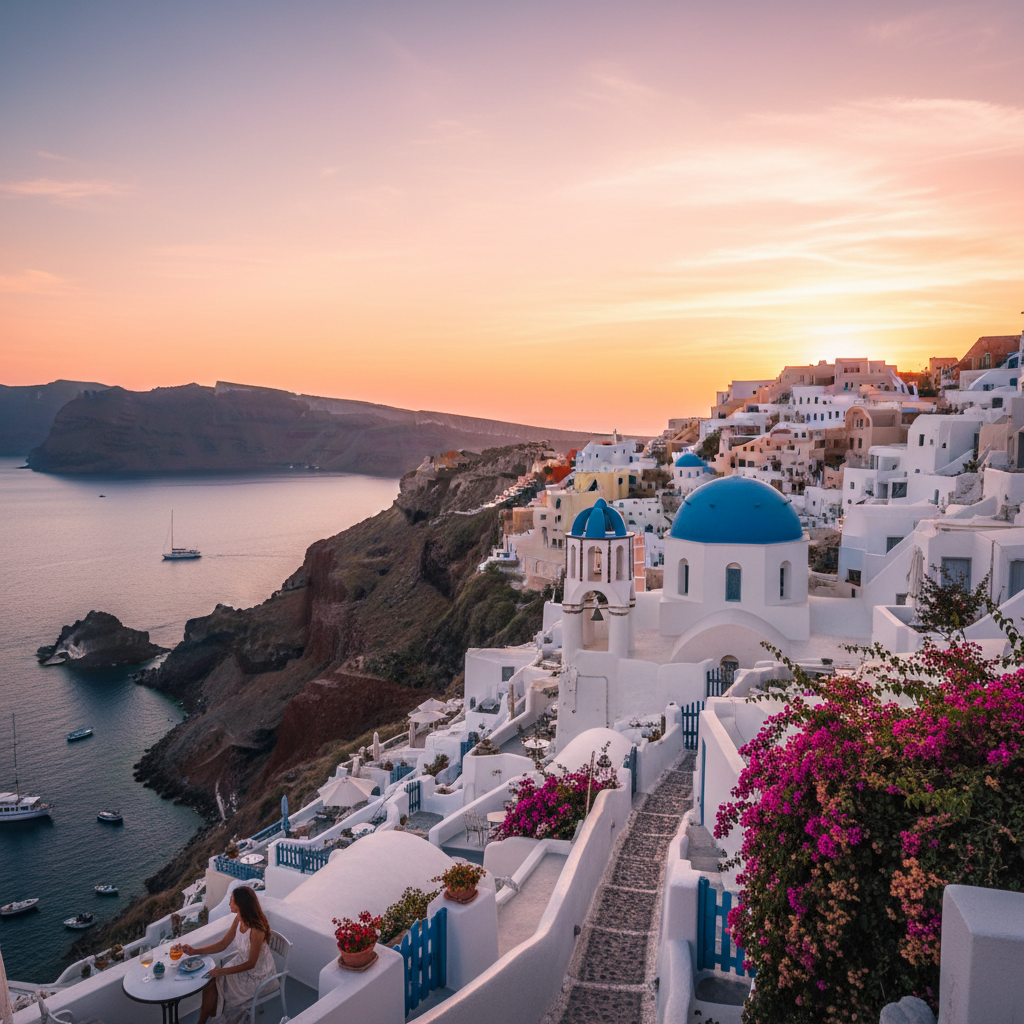
May in Greece ⭐ (One of the Best Months)
Weather:
- Avg. temp: 18–25°C (64–77°F)
- Warm, mostly sunny
- Sea: ~20°C (68°F) – comfortable for most swimmers
Crowds & Prices:
- Moderate crowds (nowhere near July–Aug levels)
- Moderate prices (much cheaper than peak)
What It’s Like:
May is one of the best months to visit Greece. You get warm, pleasant weather, long days, fewer crowds, and a still-green landscape. All the islands are waking up fully; most hotels and restaurants are open by mid‑May.
Best For:
- First-time visitors
- Balanced trips: cities + islands + beaches
- Couples, families with younger kids (before school holidays)
- Hikers and nature lovers
My Opinion:
If I had to pick only one month for Greece, May would be a top choice.
June in Greece
Weather:
- Avg. temp: 23–30°C (73–86°F)
- Summer begins; very sunny, little to no rain
- Sea: ~22–23°C (72–73°F) – perfect for swimming
Crowds & Prices:
- Crowds rising, but still below July–August
- Prices rising but not at peak level yet
What It’s Like:
June feels like “ideal summer” without the extreme crowds. Beach clubs open, ferries run full schedules, days are long and hot, but not quite as intense as July–August.
Best For:
- Beach vacations
- Island hopping
- Anyone wanting a summer feel without full peak chaos
Good to Know:
- Early June is calmer and cheaper than late June
- Perfect for sailing trips
July in Greece
Is July the Best Time to Visit Greece?
Weather:
- Avg. temp: 26–33°C (79–91°F), often hotter inland
- Very sunny, almost zero rain
- Sea: ~24–25°C (75–77°F)
Crowds & Prices:
- Very high crowds
- Very high prices (especially islands)
What It’s Like:
This is peak summer. Islands like Santorini and Mykonos are packed; beach clubs are at full swing; ferries, flights, and hotels are near capacity. Athens can be uncomfortably hot for sightseeing.
Best For:
- Those who want guaranteed beach weather
- Nightlife and beach club fans
- Families tied to school holidays
Downsides:
- You must book everything (hotels, ferries, cars) well in advance
- Lines at major attractions
- Higher risk of ferry cancellations due to strong meltemi winds
August in Greece (Peak of Peak)
Weather:
- Avg. temp: 26–34°C (79–93°F), occasionally above 40°C (104°F)
- Hottest month
- Sea: ~25–26°C (77–79°F) – warmest water
Crowds & Prices:
- Absolute maximum crowds
- Absolute highest prices
- Very busy around 15 August (Assumption Day) – major holiday
What It’s Like:
In August, all of Europe and half of Greece is on holiday. Ferries, hotels, and restaurants are full, especially mid‑month. Local Greeks also travel, especially around August 15, making some islands feel beyond crowded.
Best For:
- People who love crowds, parties, and full-on summer energy
- Those with no date flexibility
Honestly?
If you can avoid August, do it. It’s the worst month in terms of crowds, heat, and cost—especially for Santorini and Mykonos.
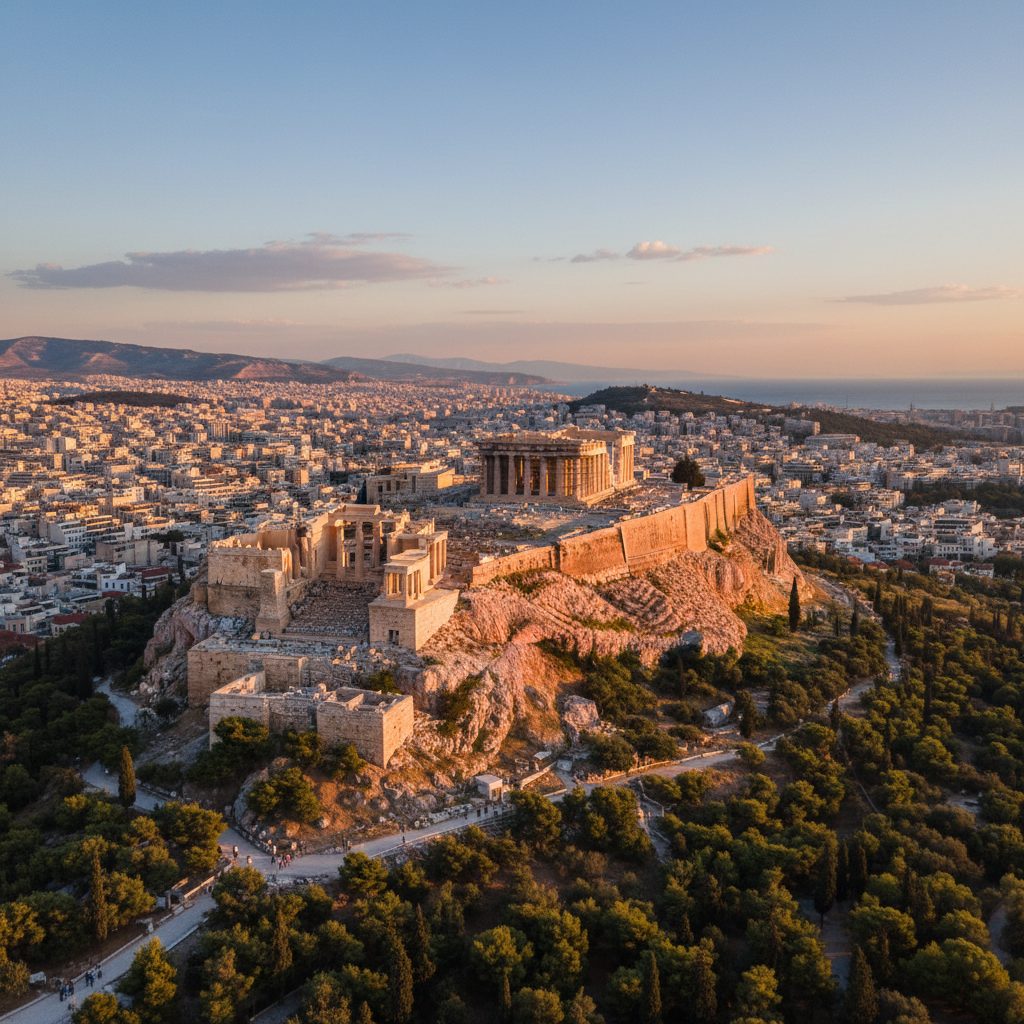
September in Greece ⭐ (Arguably the Best Month)
Weather:
- Avg. temp: 23–29°C (73–84°F)
- Still summery but a bit cooler
- Sea: ~24–25°C (75–77°F) – wonderfully warm
Crowds & Prices:
- Crowds start high (early Sept) then gradually drop
- Prices drop compared to July–August, especially after mid‑September
What It’s Like:
September is one of the absolute best months to visit Greece. You get all the benefits of summer (warm sea, open businesses, long days) with fewer crowds and lower prices, especially later in the month. The light is beautiful, and locals are more relaxed after surviving peak season.
Best For:
- Almost everyone: couples, families, first-timers, island hoppers
- Beach and culture combined
My Opinion:
If you love swimming and warm evenings but hate peak crowds, September is the best time to visit Greece
October in Greece
Weather:
- Avg. temp: 18–24°C (64–75°F)
- Mild, some rain but many sunny days
- Sea: ~21–22°C (70–72°F) – still swimmable for many
Crowds & Prices:
- Moderate to low crowds
- Moderate prices (good deals, especially late October)
What It’s Like:
October feels like a gentle landing from summer. Early October is still excellent for beach time; by late October, it becomes more of a sightseeing and walking month. Some island businesses begin closing after mid‑October.
Best For:
- Sightseeing and culture (Athens, Crete, Rhodes)
- Travelers who prefer cooler weather
- Budget-conscious travelers avoiding peak
Be Aware:
- Some smaller islands wind down significantly late in the month
- Ferry schedules gradually reduce
November in Greece
Weather:
- Avg. temp: 13–19°C (55–66°F)
- Autumn, more clouds and rain
- Sea: ~19°C (66°F)
Crowds & Prices:
- Very low tourist crowds
- Low prices
What It’s Like:
Most islands are quiet, with many hotels and restaurants closed. Athens and Thessaloniki are still active cities; this is a good time for museum-hopping, café culture, and local neighborhoods.
Best For:
- City and culture trips
- Budget travelers
- People who don’t care about swimming
Not Great For:
- Classic island holiday feel
- Beach time
December in Greece
Weather:
- Avg. temp: 10–15°C (50–59°F)
- Winter, rainy days, but can also have crisp, sunny ones
- Sea: ~17°C (63°F)
Crowds & Prices:
- Low tourism crowds
- Higher prices around Christmas & New Year in cities
What It’s Like:
Greece has a cozy winter side. Athens is decorated for Christmas; cafés and bakeries are busy; there’s a festive vibe in cities. The islands (except larger ones like Crete) are very quiet.
Best For:
- Christmas/New Year city breaks
- Off-season culture and food trips
Not Great For:
- Island-hopping, beaches, or “Mamma Mia” vibes
Best Time to Visit Greece by Interest
Best Time for Beaches & Swimming
- Primary: June, July, August, early September
- Also good: Late May, late September
- Avoid: November–April (sea too cold, weather unstable)
If your priority is lying on the beach, swimming, and enjoying long sunny days, June and September are ideal—warm sea, good weather, fewer crowds than peak.
Best Time to Visit Greece for Sightseeing & Ancient Sites
- Primary: April, May, late September, October
- Also good: March, November (cooler, but fine)
You don’t want to climb up to the Acropolis at 2 PM in August when it’s 38°C (100°F). Spring and autumn offer comfortable temperatures for walking around ruins and cities without melting.
Best Time for Fewer Crowds & Lower Prices
- Cities (Athens, Thessaloniki): November–March
- Islands (balanced): April, May, October
- Deep budget: January–March (city-only focus)
If budget and crowds matter more than beach time, choose April, May, or October for islands and winter months for city breaks.
Best Time to Visit Greece for Families
- With school holidays: Late June, early July, early September
- With flexible schedules: May or September
July–August works but will be crowded and expensive. If you can, aim for late June or early September when the weather is great but crowds are slightly lighter.
Best Time for Honeymoons & Couples
- Top picks: May, June, September
- Also good: Early October
You probably want romance, beautiful weather, but not total chaos. May and September give you dreamy sunsets, warm evenings, and a more relaxed atmosphere, especially in Santorini and the Cyclades.
Best Time for Island Hopping
- Primary: May–September
- Best window: Late May to mid‑September
Ferries run the most routes in this period. Outside these months, some routes disappear or run only a few times per week.
Best Time for Food & Wine
- Best: September–October (harvest time)
- Also great: May–June (spring produce)
If you love food and wine, late summer and early autumn are fantastic: grape harvest on Santorini and Crete, new olive oils, fresh figs, and more.
When NOT to Visit Greece (If You Can Avoid It)
Mid-August (especially 10–20 August)
- Greek summer holidays + international tourism = maximum crowds
- Prices at absolute peak
- Ferries and hotels often fully booked
- Everything is open, but it’s a lot
Late July through August (for heat/crowds)
- Too hot for comfortable sightseeing
- Busy everywhere, especially Santorini and Mykonos
- If you only care about parties and sun, it’s fine—but be ready
November–March for Islands
- Many island hotels, restaurants, and shops closed
- Limited ferry schedules
- Weather too cool for swims
- Fine for Crete and Rhodes, but not ideal for Cyclades if you want the classic island vibe
My Honest Recommendation for the to Visit Greece.
If you want:
- Beaches + sightseeing + good prices + fewer crowds, and
- You’re not locked into school holidays
…then your ideal months are:
→ May and September
(with June and October as close runners-up)
- May: green landscapes, flowers, warm days, cooler nights, fewer crowds
- June: true summer feel, great for beaches, not quite peak pressure
- September: warm sea, golden light, relaxed locals, harvest season
- October: mild days, good for walking and exploring, shoulder-season prices
Final Tips for Choosing Your Dates
- Decide your priorities first
- Beaches? History? Budget? Quiet? Party?
Your “best time” is different depending on this.
- Beaches? History? Budget? Quiet? Party?
- Avoid mid‑August if possible
- Especially for Santorini and Mykonos.
- Consider splitting city & islands
- Example: Spring city trip (Athens, Delphi)
- Then a separate summer or early autumn island trip.
- Book earlier for peak & shoulder seasons
- For July–September, book accommodation and main ferries at least 2–3 months ahead.
- Be flexible
- Greece rewards travelers who go with the flow. Ferries are delayed; storms happen; you might fall in love with an island and stay longer. Don’t over-plan every hour.