
Why Sifnos is a Hidden Gem for Hiking Enthusiasts
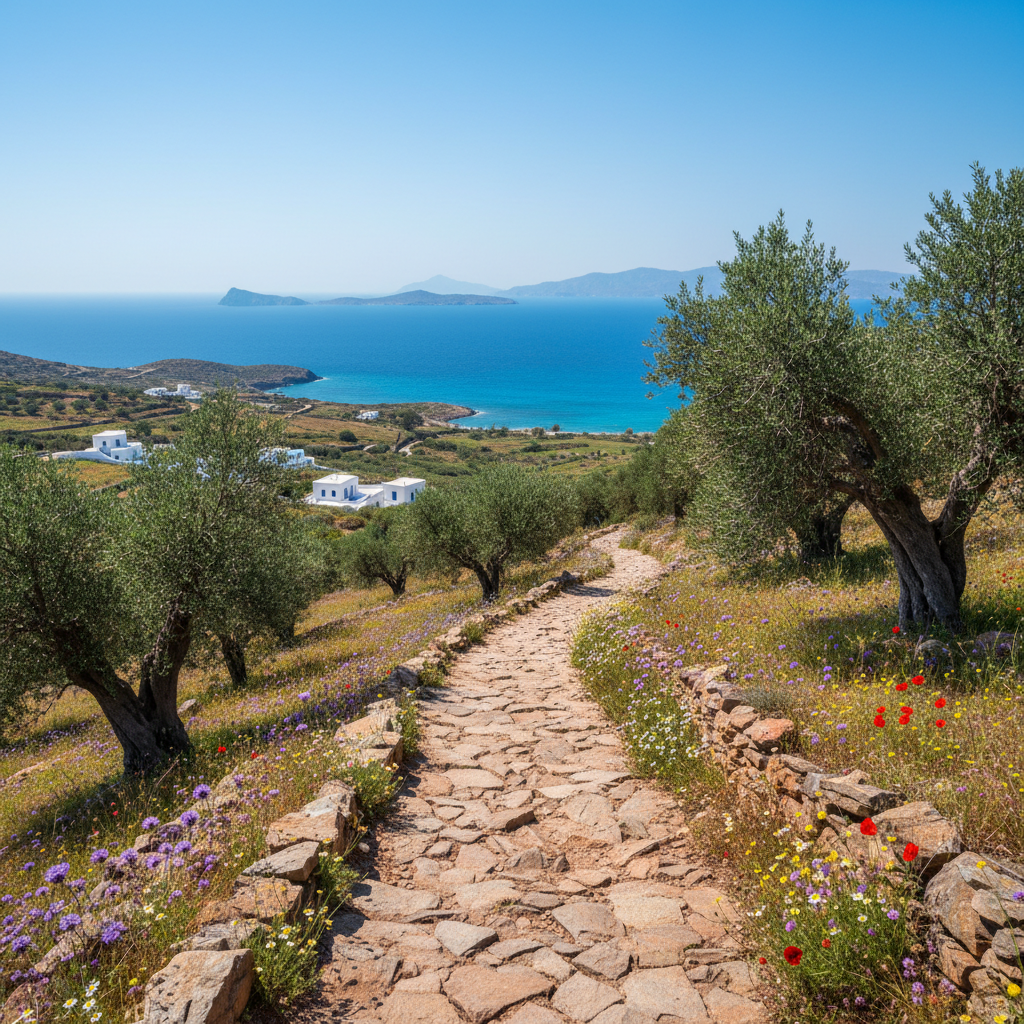
Imagine wandering through ancient footpaths that have connected villages for thousands of years, where every turn reveals whitewashed chapels perched on hillsides, terraced olive groves cascading down slopes, and the azure Aegean Sea glistening in the distance. This is Sifnos, a Cycladic island where hiking isn’t just an activity—it’s a journey through living history.Located in the heart of the Aegean between Serifos, Kimolos, and Paros, Sifnos spans 74 square kilometers of remarkably diverse terrain.
What makes this island extraordinary for walkers is its network of meticulously preserved and waymarked trails that thread through three distinct landscapes: charming blue-and-white villages, ancient cultivated terraces, and wild Mediterranean maquis dotted with juniper forests. The island’s highest peak, Profitis Ilias, rises to 682 meters, offering panoramic vistas that reward those who venture onto the trails. Whether you’re seeking coastal paths that end at secluded swimming coves, historical routes connecting monasteries and archaeological sites, or challenging loops through untamed wilderness, Sifnos delivers an authentic Greek island hiking experience without the crowds found on more famous destinations.
Understanding the Sifnos Trail Network
A Well-Organized System for Every Hiker
The Sifnos Trails network comprises ten main numbered routes, each carefully waymarked and maintained by Paths of Greece. These trails range from easy 2.4-kilometer strolls to challenging 15-kilometer adventures, with difficulty ratings from 1/5 to 3/5. What sets Sifnos apart is the thoughtful organization of these paths—they connect seamlessly, allowing you to customize your hiking experience based on fitness level, time availability, and interests.The trails are categorized to help you plan effectively. You’ll find coastal routes that hug the shoreline, easy paths perfect for families with children, moderate treks through varied terrain, short excursions under five kilometers, longer expeditions exceeding five kilometers, loop trails that return you to your starting point, and routes specifically marked as kid-friendly or suitable for swimming breaks.
Way-Marking and Navigation
Each trail features clear signage with the characteristic red-and-white markers common throughout European hiking routes. Trail junctions include directional signs indicating distances and estimated walking times. The trails website provides downloadable GPX files, enabling you to navigate confidently using GPS devices or smartphone apps. Physical hiking maps featuring all trails are available for purchase at various locations across the island, offering a valuable backup to digital navigation.
The Best Places for Hiking: Top Trail Highlights
Trail 1: The Eternal Capitals
Distance: 8.6 km | Duration: 3 hours 5 minutes | Difficulty: 2/5
This remarkable route transports you through 4,500 years of Sifnian history. Beginning at the Neolithic acropolis of Agios Andreas, where archaeological excavations reveal settlement dating to 3000 BCE, the trail descends through landscapes that would have been familiar to ancient inhabitants. You’ll pass the 16th-century Holy Monastery of Vrysi, the island’s only functioning monastery for monks, before following the Erkies creek valley.
The highlight comes as you approach Kastro, Sifnos’s capital until 1836. This medieval village, with most buildings dating from Venetian times, sits dramatically on a promontory overlooking the sea. Walking its narrow lanes feels like stepping into a time capsule, with unexpected antiquities—ancient columns, marble fragments, and Byzantine architectural elements—incorporated into walls and courtyards. The trail continues along the coast to the picturesque Panagia Poulati chapel before ascending to Artemonas, a 19th-century village showcasing neoclassical mansions that reflect the island’s prosperous maritime past.
An offshoot of this trail leads to a hidden rocky bay near Panagia Poulati, perfect for a refreshing swim in crystal-clear waters.
Trail 4: Cedars, Olive Trees and the Sea
Distance: 11.4 km | Duration: 4 hours 5 minutes | Difficulty: 3/5 | Loop trail
For those seeking wilderness immersion, Trail 4 offers one of Sifnos’s most rewarding loops. Starting from the popular beach of Platys Gialos, the route immediately climbs through dense juniper vegetation to Profitis Ilias Kondou chapel. This ascent is steep but manageable, and the panoramic views from the summit justify every step—on clear days, you can see neighboring islands scattered across the Aegean.
The trail maintains elevation as it traverses the western hillside, with constantly shifting vistas. The descent to Fykiada Bay represents one of the network’s finest sections. This remote beach, rarely visited despite its beauty, provides an ideal midpoint rest stop. From here, the path winds through ancient olive groves before reaching the abandoned Moussia mansion, a haunting reminder of the island’s aristocratic past, with its internal courtyard still protected by time-weathered walls.
The coastal section features striking volcanic rock formations in vibrant colors, while across the water, you’ll spot the tiny island of Kitriani with its ancient chapel—the oldest church in Sifnos. The final leg involves a steep but short climb before descending back to Platys Gialos.
Trail 3: The Agricultural Road
Distance: 7.5 km | Duration: 2 hours 30 minutes | Difficulty: 1/5
Perfect for those seeking an easier introduction to Sifnos hiking, this gentle route showcases the island’s agricultural heritage. The terraced landscape, cultivated for millennia, demonstrates how generations of farmers shaped these hillsides into productive land. Olive trees, some centuries old, provide shade as you walk paths that have served as vital connections between farming communities.
This trail offers insight into traditional Sifnian life without demanding technical hiking skills, making it excellent for families or as a warm-up before tackling more challenging routes.
Trail 7: The Pilgrimage Route
Distance: 6 km | Duration: 2 hours 15 minutes | Difficulty: 2/5
Following ancient pilgrimage paths to sacred sites, this trail connects spiritual and natural beauty. Churches and monasteries dot the route, many perched in locations chosen for their inspiring views. The path reflects the deep religious traditions that have shaped Sifnian culture for centuries.
Trail 9: The Wuthering North
Distance: 2.4 km | Duration: 45 minutes | Difficulty: 1/5
The shortest trail in the network, this route explores the island’s exposed northern coast. Despite its brevity, it packs memorable scenery and offers a taste of the raw power of the meltemi winds that sweep across the Cyclades during summer months.
Planning Your Hiking Adventure in Sifnos
Best Time to Hike
Sifnos offers year-round hiking opportunities, but timing affects your experience significantly. Spring (March through May) ranks as the premium season—wildflowers blanket the hillsides, temperatures hover between 15-25°C, and the landscape radiates vibrant greens rarely seen during summer. Easter celebrations add cultural dimension if your visit coincides with this period.
Autumn (September through November) provides equally excellent conditions. The summer heat subsides, creating comfortable walking temperatures, while the sea remains warm enough for swimming. The light takes on a special quality during these months, beloved by photographers.
Winter hiking (December through February) is certainly possible, though you should expect occasional rain showers, strong winds, and muddy trail sections. Proper waterproof gear becomes essential. The island feels authentically local during winter, with minimal tourist presence.
Summer (July and August) presents challenges—temperatures can exceed 35°C, making midday hiking uncomfortable and potentially dangerous. If you must hike during summer, start at dawn, finish by 10 AM, or wait until after 5 PM. Always carry extra water and recognize heat exhaustion symptoms.
Essential Gear and Equipment
Proper preparation ensures safe, enjoyable hiking. Start with sturdy hiking boots with good ankle support and tested grip—Sifnos trails include rocky sections where proper footwear prevents injuries. Break in new boots before your trip to avoid blisters.
Sun protection is non-negotiable in the Greek islands. Pack a wide-brimmed hat, high-SPF sunscreen, and quality sunglasses. The Mediterranean sun reflects intensely off light-colored rocks and white villages. Long, lightweight trousers protect legs from sun exposure and scratchy vegetation while allowing airflow.
Walking poles significantly reduce knee strain, especially on descents. They also provide stability on uneven terrain and can help you test water depth at creek crossings. A well-stocked first aid kit should include blister treatments, antiseptic, bandages, and any personal medications.
Navigation tools include the physical trail map sold on the island, a smartphone with downloaded offline maps and GPX files, and a portable battery pack to keep devices charged. While trails are well-marked, having backup navigation provides peace of mind.
Water requirements are substantial—carry at least two liters per person, more in summer or on longer trails. Dehydration develops quickly in dry, warm conditions. High-energy snacks like nuts, dried fruit, and energy bars maintain blood sugar during extended hikes.
A fully charged mobile phone serves multiple purposes: navigation, emergency communication, and photography. However, don’t rely solely on it—cell coverage varies across the island.
Safety Considerations
The only potentially dangerous wildlife you might encounter are vipers, which are endangered and protected on Sifnos. These snakes avoid human contact when possible. If you spot one, remain calm, give it wide berth, and continue your hike. Never attempt to approach, touch, or frighten a snake. In the unlikely event of a bite, stay calm and seek immediate medical attention at the island’s health center. This situation represents another reason never to hike alone.
Group hiking is safer and more enjoyable. Even hiking with one companion significantly improves safety through mutual support. Inform someone of your planned route and expected return time.
Weather can change rapidly, particularly in spring and autumn. Check forecasts before setting out, and don’t hesitate to postpone or shorten hikes if conditions deteriorate. Strong winds can make ridge walking uncomfortable or dangerous.
Transportation and Trail Access
Sifnos’s bus network connects major villages and popular beaches, providing access to many trailheads. Bus schedules are posted online and at stops, though service frequency varies seasonally—more frequent in summer, limited in winter. Plan your hikes around bus times, particularly for point-to-point routes rather than loops.
Taxis offer flexibility for reaching trailheads not served by buses or returning from remote endpoints. The island has several taxi drivers whose contact numbers are available locally. During high season, book taxis in advance, especially for early morning starts.
Many hikers rent cars or scooters for maximum independence in reaching trailheads and exploring the island between hikes. The island’s road network is good, though some access points require navigating narrow village lanes.